Affordable Housing in Bangladesh: Challenges, Opportunities & the Way Forward
As the population density of Bangladesh continues to rise, ensuring proper accommodation is becoming more urgent than ever. According to Statista, the number of households in Bangladesh was projected to reach 35.2 million by 2021. Yet nearly 80% of citizens still do not own a permanent residence, and recent studies reveal that around 5 million people lack a place to live entirely. This overwhelming housing shortage, coupled with skyrocketing rent and increasing urban migration, highlights the critical need for Affordable Housing in Bangladesh. With thoughtful planning, strategic policy reform, and modern construction practices, making housing more accessible is not only possible but essential for national development.
Rising Rents and the Need for Long-Term Housing Solutions
A large percentage of Bangladeshi citizens rely on renting their homes. However, according to the Consumers Association of Bangladesh (CAB), average rent increased by 9% in just one year, placing intense pressure on low- and middle-income families.
Despite increasing rent, many still choose to rent because homeownership remains financially out of reach. For Affordable Housing in Bangladesh to become a reality, multiple factors must be addressed simultaneously, including:
-
Value engineering to minimize construction cost
-
Strong collaboration between public and private sectors
-
Structured housing finance solutions
-
Psychological and community planning
-
Technological integration to reduce time and material waste
Note: To see our ongoing real estate projects in Dhaka, please visit our ongoing projects.
Why Housing Prices Are So High in Bangladesh
1. High Land Price & Excessive Signing Money
The biggest driver behind unaffordable housing is the extremely high land price in major cities. Signing money (down payments to landowners) is often inflated, increasing the total project cost.
To address this issue, standardized land pricing policies must be revised and regulated so that prices become fair for both sellers and developers.
2. Limited Access to Affordable Land for Developers
The private sector cannot always afford to acquire large plots for housing projects. In such cases, government-owned or khas land can be allocated to developers for Affordable Housing in Bangladesh, ensuring reasonable project costs.
3. Need for Public–Private Collaboration
For true affordability, the government and private sector must work together to revise policies, reduce bureaucratic barriers, and ensure housing projects can be executed at lower cost.
Value Engineering: A Key Driver for Reducing Construction Costs
A dedicated Research and Development (R&D) unit is essential in executing cost-efficient, sustainable housing projects. Value Engineering (VE) helps reduce construction costs while maintaining quality.
Examples of Global Success
Several global organizations have demonstrated the effectiveness of VE:
-
Brick Eagle Group (India) focuses on low-cost mass housing
-
Ethis (Singapore) uses ethical financing and innovative housing models
How VE Makes Housing Affordable
-
Reduces unnecessary architectural complexities
-
Ensures efficient use of space
-
Integrates cost-effective materials
-
Improves project workflow and construction processes
Efficient Architectural Design
Countries like Hong Kong, China, Singapore, Malaysia, Australia, and the USA have high demand for compact studio apartments measuring 150–500 sq. ft. These spaces are extremely efficient, fully functional, and significantly reduce construction cost—a concept that can be adopted to promote Affordable Housing in Bangladesh.
Funding & Finance: The Backbone of Affordable Housing
Finance is the most critical pillar for making housing affordable. Without accessible loans or financing structures, even low-cost housing remains out of reach for many families.
Global Example
The Asian Development Bank (ADB) offers low-cost housing finance in India, supporting underprivileged families in least developed states.
What Bangladesh Needs
To support Affordable Housing in Bangladesh, the country requires:
-
Low-interest home loan schemes
-
Long-term mortgage options
-
Flexible repayment structures
-
Government-subsidized financing models
-
Financial incentives for private developers
Role of Investors, Developers & Service Providers
Private investors and business owners can contribute through:
-
Monetary investment
-
Project management
-
Marketing and sales support
-
Legal and compliance assistance
-
Community building services
Crowdfunding Opportunities
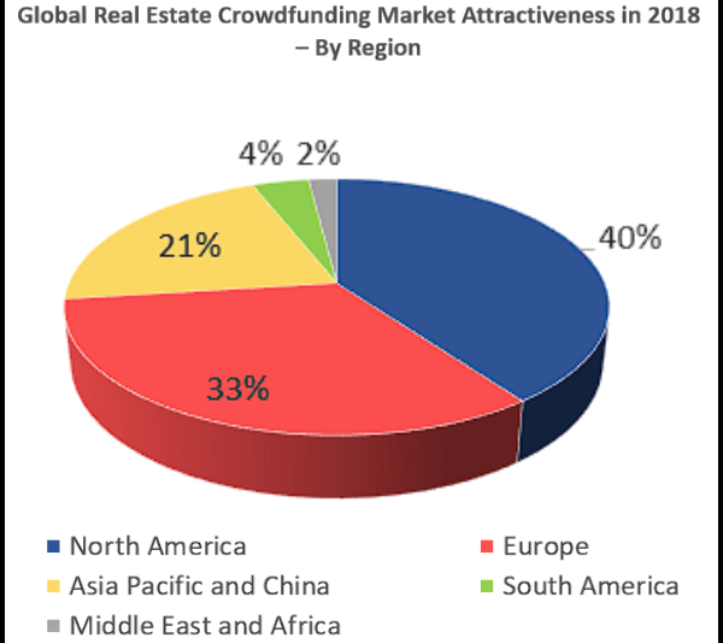
Crowdfunding is growing rapidly in countries like Australia, Indonesia, Dubai, and India. It provides small investors the opportunity to participate in real estate projects, helping developers secure capital faster. Implementing similar models can significantly boost Affordable Housing in Bangladesh.
Promoting Community-Focused Housing Models
The concept of “housing” goes beyond individual homes—it often involves shared living environments, where residents share common spaces and facilities. This reduces construction cost and strengthens community relationships.
Benefits of Community Living
-
Lower construction cost due to shared amenities
-
Reduced built-up area per household
-
Stronger social bonding
-
Efficient use of space
Examples of Shared Facilities
-
Shared kitchens
-
Shared laundry rooms
-
Community gardens
-
Children’s play areas
-
Multipurpose activity rooms
As Dhaka becomes more crowded and socially fragmented, architects, psychologists, community builders, and social workers can collaborate to revive meaningful, sustainable community living practices.
Technological Integration: The Future of Affordable Housing
Technology is essential for speeding up construction, ensuring efficiency, and lowering costs. Modern construction methods allow faster project completion and reduce labor dependency.
Technological Advantages
-
Reduced construction time
-
Lower material waste
-
Energy-efficient housing solutions
-
Improved construction safety and quality
-
Cost savings through automation and precision
Key Technologies to Implement
-
Prefabricated components
-
Modular construction
-
3D printed panels
-
Smart project management systems
-
Energy-saving building materials
Additionally, efficient facilities management ensures that long-term maintenance costs remain low, making homes truly affordable throughout their lifecycle.
A Unified Approach for Affordable Housing in Bangladesh
The housing affordability crisis is not unique to Bangladesh — it is a global issue. However, solving it requires collective effort from all sectors:
-
Government agencies
-
Private developers
-
Banks and financial institutions
-
International partners
-
Urban planners
-
Architects & engineers
-
Community development experts
Extensive research already exists, but continuous development, policy refinement, and implementation strategies are crucial to achieve long-term success.
Visit our Website : Suvastu Properties Ltd.
Conclusion
Affordable Housing in Bangladesh is not just a development target; it is a national priority. With proper planning, financial innovation, technological adoption, and collaborative effort, Bangladesh can build sustainable, inclusive, and affordable communities for future generations.
A unified approach can transform the housing landscape and ensure that every family, regardless of income, has the opportunity to live in a safe, secure, and affordable home.