Introduction
To begin the discussion on Affordable Housing in Bangladesh, it is useful to revisit the widely recognized psychological model—Maslow’s Hierarchy of Needs—developed by Abraham Maslow. This five-tier framework outlines human needs based on priority. In the “Basic Needs” category, Maslow identified food, water, clothing, shelter, rest, safety, and security. Interestingly, four of these seven essentials are directly connected to having a proper place to live.
This clearly highlights how essential and foundational housing is in every individual’s life.
Despite this importance, various studies reveal that nearly 80% of urban dwellings in Bangladesh are not permanent. A large portion of the population lives in rented homes, sublets, hostels, or temporary lodging. Even though Bangladesh’s GDP is rising impressively, housing challenges continue; moreover, they are becoming increasingly difficult for mid-income and lower mid-income groups. Consequently, despite overall economic progress, a large portion of the population still struggles to access affordable and secure housing options.
This growing gap emphasizes the urgent need for Affordable Housing in Bangladesh.
Affordable Housing: Breakdown
Multiple international studies support the effectiveness of shifting toward Affordable Housing in Bangladesh.
What Does “Affordable” Mean?
Affordability varies greatly. While what seems expensive for one group may appear perfectly reasonable for another, this contrast clearly highlights how financial capacity varies across different segments of society. Thus, developers must conduct targeted market research to understand income levels, preferences, and expectations.
Note: Visit our Construction Quality Standards page.
What Does “Housing” Mean?
“Housing” refers to a community-oriented living system. Shared facilities such as staircases, parking areas, security systems, and recreational spaces reduce overall cost and improve value for mid-income families.
The Need for Affordable Housing in Bangladesh
Several factors highlight why Bangladesh urgently needs an Affordable Housing framework:
1. Rapid rent escalation
According to a recent study by the Consumers Association of Bangladesh (CAB), rental prices increased by 9% last year, and by almost 250% over the last 17 years.
2. Population boom in Dhaka
As per World Population Review, Dhaka’s population exceeded 21 million in 2020 and is projected to cross 28 million by 2030.
Note: Learn about our ongoing real estate projects.
3. Housing supply can’t meet demand
A 2017 study indicated that the private sector can supply 25,000 units per year, whereas demand exceeds 120,000 units annually.
This mismatch underscores why Affordable Housing in Bangladesh is essential.
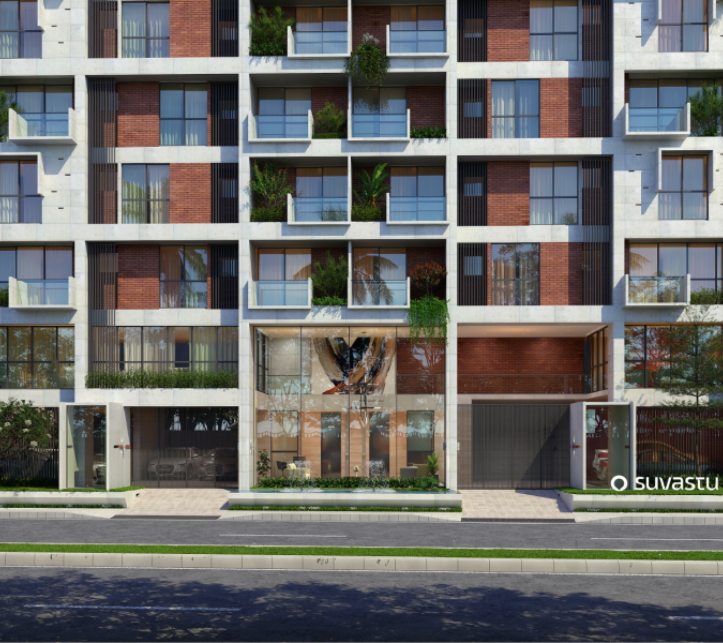
An Innovative Step by Suvastu Properties Ltd.
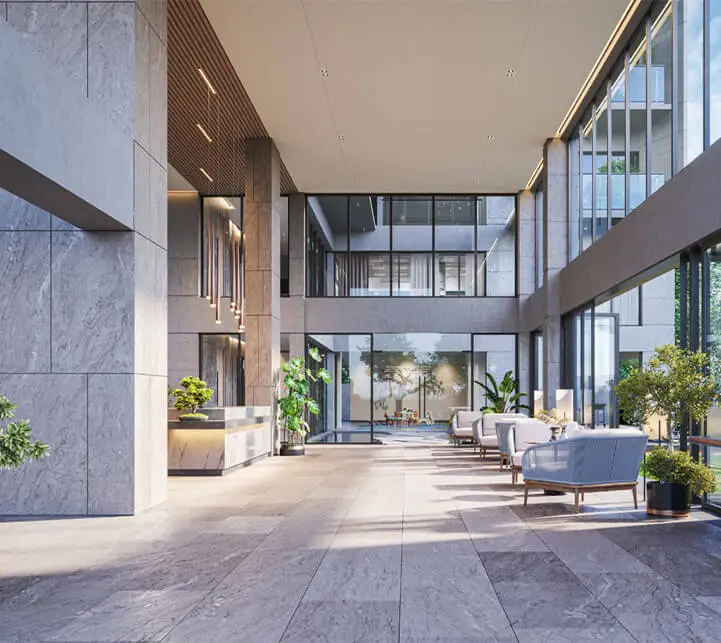
To address the increasing demand for Affordable Housing in Bangladesh, the R&D Division of Suvastu Properties Ltd., led by CMO Mr. Amit Chakrabortty, is implementing a forward-thinking approach called “Affordable Luxury.”
Rooted in Maslow’s Psychological & Self-Actualization needs, this concept goes beyond basic affordability and focuses on:
“It focuses on enhancing aesthetics, ensuring comfort and privacy, improving space planning, using quality materials, and incorporating smart amenities to elevate overall living standards.”
“Affordable Luxury” doesn’t aim to create “cheap housing” — instead, it provides value-driven, quality-enhanced living solutions for mid-income families.
Note: Contact our real estate consultants.
Conclusion
In conclusion, building sustainable Affordable Housing in Bangladesh requires collaboration among developers, researchers, engineers, architects, analysts, and policymakers. Affordable Housing aims not only to reduce costs but also to improve overall quality of life; furthermore, it helps support the economy and, ultimately, ensures sustainable urban growth.
With creative approaches like Affordable Luxury, developers can offer high-value homes that meet both basic needs and emotional aspirations of modern families across the country.