
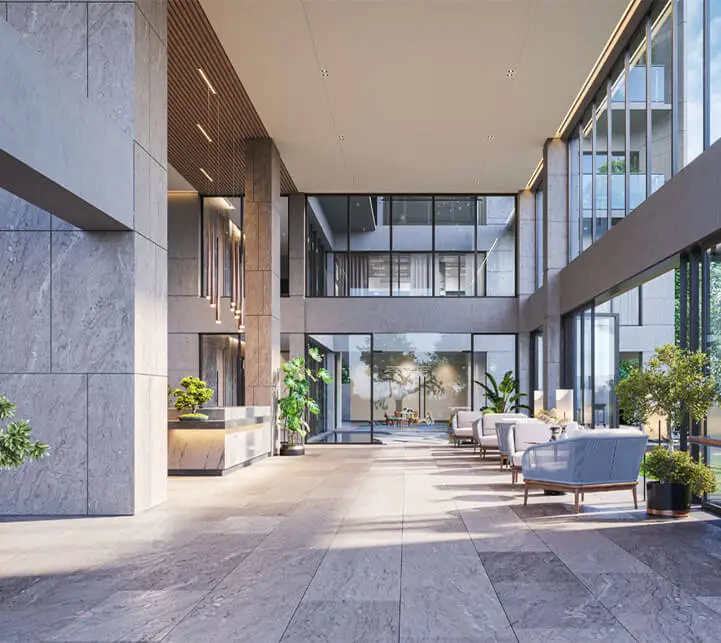
Importance of Lighting in Interior Design: Enhancing Mood, Function & Beauty
Lighting is one of the most essential elements of any home, influencing how we feel, live, and interact with our surroundings. From waking us up in the morning to helping us unwind at night, proper lighting plays a vital role in shaping our mood and supporting our daily activities. The Importance of Lighting in Interior Design becomes clear when we see how the same room can look completely different under different lighting setups.
For example, a combination of task lighting, wall lights, and table lamps can create a warm, welcoming ambiance in your hallway. In contrast, bedroom lighting should promote calmness and tranquility. This shows that carefully planned lighting is not just functional—it’s an emotional and psychological enhancer.
Today, lighting design has become a specialized subject with applications ranging from residential interiors to corporate offices and industrial environments. Let us explore some of the most commonly used lighting types in modern interior design.
Natural Lighting
Natural lighting refers to light that comes from nature, mainly sunlight and moonlight. Although we cannot control the light source itself, we can regulate how much natural light enters our home through smart architectural planning—such as window placement, skylights, and room orientation.
Natural light benefits include:
-
Reduces electricity cost
-
Improves mood and mental well-being
-
Enhances room warmth, depth, and aesthetic appeal
The Importance of Lighting in Interior Design is clearly reflected in how natural light changes throughout the day and across seasons, giving your home a dynamic, refreshing atmosphere.
Combustion Lighting
Combustion lighting includes candles and fireplaces. While not commonly used for functional purposes today, they still have great value in interior decoration. These lighting sources add warmth, charm, and luxury. Even though some designers categorize them as natural lighting, their key role is aesthetic enhancement.
General Lighting
General lighting—or basic lighting—is the primary light source in most homes. It provides overall illumination and ensures visibility in every room. Common examples include:
-
LED lights
-
Incandescent bulbs
-
Fluorescent tube lights
General lighting forms the foundation of home illumination. Without it, task or accent lighting would lose their effectiveness. This further highlights the Importance of Lighting in Interior Design, where balance between different lighting layers is essential.
Ambient Lighting
Ambient lighting is a softer, more diffused form of illumination. It creates a comfortable and pleasant glow rather than harsh brightness. Ambient lighting can include:
-
Concealed lighting
-
Lantern-style lighting
-
Wall sconces
-
Coffer lights
Proper ambient lighting enhances general lighting, but poor design can create discomfort or shadows. When applied correctly, it transforms living spaces into soothing environments.
Task Lighting
Task lighting focuses on functionality. It is used to illuminate specific work areas, such as:
-
Reading rooms
-
Study tables
-
Kitchens
-
Stairways
-
Hallways
Task lighting usually has a higher wattage to improve visibility and focus. It ensures safety in areas like stairs and efficiency in spaces like kitchens. Its practical value strongly contributes to the Importance of Lighting in Interior Design.
Accent Lighting
Accent lighting is used to highlight specific architectural or decorative features. This includes:
-
Artistic wall textures
-
Paintings
-
Sculptures
-
Indoor plants
-
Feature walls
-
Outdoor landscaping
Accent lighting typically requires higher lumen output and focuses light directly on the target area. When used effectively, it adds drama, sophistication, and character to your home.
Note: Visit our Construction Quality Standards page.
Mood Lighting
Mood lighting focuses on emotional comfort rather than functionality. By incorporating different tones and colors, it enhances the psychological experience of the room. Research by K.C.H.J. Smolders indicates that blue-enriched lighting improves alertness, performance, and sleep quality among office workers compared to standard lighting.
Mood lighting can transform an ordinary room into a warm, inviting, and personalized space, proving the Importance of Lighting in Interior Design from a psychological perspective.
Note: Contact our real estate consultants.
Conclusion
Without adequate lighting, the aesthetic values and architectural beauty of your home cannot be fully appreciated. From functional illumination to emotional well-being, the Importance of Lighting in Interior Design extends far beyond visibility. Properly designed lighting enhances comfort, highlights architectural features, improves functionality, and creates a sense of warmth and inspiration.
Lighting is not just an accessory—it is a foundational design element that shapes the entire living experience.